AFS Announces Hybrid Conference in 2021

AFS Announces Hybrid Conference in 2021

The American Folklore Society (AFS) has announced that their 2021 Annual Meeting will be held in a hybrid format due to ongoing challenges of the Covid-19 Pandemic. “We are proceeding with both an in-person gathering in Harrisburg, and a virtual meeting for those who cannot attend in person,” the announcement states, with a further note that “This decision has been driven by our steadfast dedication to keeping our meeting safe and accessible to as many people as possible,” with several pieces of feedback from a recent survey noted as support for this decision.

Those who would like to apply to present should make note that the proposal deadline has been set for April 30, 2021. Potential participants are directed to the 2021 Annual Meeting FAQs page for more information.


Crafting Identity: Objects as Storytellers

Crafting Identity: Objects as Storytellers

A quilt isn’t just a blanket, and a piece of pottery isn’t just a container—they’re important cultural artifacts, and often, they are also storytellers. Across the globe, traditional crafts serve as a tangible link to folklore, preserving cultural identities and sharing cultural meaning in ways words often cannot.

Traditional crafts are often deeply tied to the folklore of their communities, carrying meaning for community members and sometimes acting as visual representations of myths, legends, and traditions. Take, for example:

  • Quilting in the American South: Quilts were often used to tell stories or commemorate events. Patterns like the “Log Cabin” or “Double Wedding Ring” carry symbolic meanings tied to family, home, and community.
  • Norwegian Rosemaling: This decorative painting style features flowing floral patterns inspired by local myths and rural life.
  • West African Kente Cloth: Each color and pattern in Kente weaving carries specific meanings, reflecting proverbs, historical events, and community values.

Crafts as Cultural Memory

Handcrafted items are more than functional; they can be cultural archives. Practicing a craft helps us preserve knowledge of materials, techniques, and designs that often have roots in very old traditions. In some cases, the act of crafting itself becomes a form of storytelling, where knowledge is shared across generations.

For example, Native American beadwork often depicts spiritual beliefs or tribal histories. The Japanese kintsugi technique for repairing pottery embraces the philosophy of imperfection and renewal, turning broken pieces into beautiful art.

Keeping Traditions Alive

In a world of mass production, traditional crafts face the risk of being forgotten. However, there’s been a resurgence of interest in handmade goods, fueled by a desire to reconnect with heritage and support sustainable practices. Communities and artisans worldwide are working to preserve these traditions:

Crafting Our Future

By supporting and celebrating traditional crafts, we’re not just preserving items; we’re sustaining the folklore and stories behind them. These crafts can connect us to our roots and remind us of the beauty and creativity embedded in everyday life.

AFS Announces Hybrid Conference in 2021

Resource: The American Folklore Society (AFS)

The American Folklore Society, commonly referred to as AFS, is the main professional organization for folklorists in the United States, and it has many international members, as well. It’s a great organization and resource if you are interested in studying folklore or working with folklore professionally. Plus, the AFS website is extensive and provides a wealth of information and resources about the field!

The AFS Annual Meeting, a conference held by the society in the fall each year, is the largest gathering of folklorists worldwide. The conference is held in different locations around the United States, and often has 600+ folklorists in attendance! It is attended by mostly academics, but it is also a useful gathering for those working in public folklore, folk arts, and related fields.

AFS Sections, aka interest groups, are divisions within the society that focus on particular topics, such as foodways, music, dance, folklore in particular areas of the world, gender and sexuality, and more. Sections are a great way to connect with those who share your specific interests in folklore studies.

The society is also home to 6 folklore studies journals: the Journal of American Folklore (JAF), plus 5 journals published by AFS sections. As a learned society, AFS is heavily focused on scholarship in folklore, and it is part of the American Council of Learned Societies (ACLS)


What is Folklore? Debunking Myths About Myths

What is Folklore? Debunking Myths About Myths

When you think of folklore, what comes to mind? Maybe fairy tales from your childhood, campfire ghost stories, or epic myths of gods and heroes. While these are indeed parts of folklore, they’re just the tip of the iceberg. Folklore is so much broader, encompassing everything from traditional recipes to urban legends to the way we celebrate holidays.

At its core, folklore is the shared cultural knowledge of a group of people, shared through creative action—such as storytelling, rituals, music, crafts, and customs. When you think about folklore, it’s important to remember that traditions are living, breathing parts of our lives, something we constantly adapt to reflect the times while at the same time keeping us rooted in our origins.

Are Folklore and Myth the Same?

Folklore and myth are related but distinct concepts. Myth refers specifically to sacred stories or origin tales, often involving gods, creation, or the explanation of natural phenomena. Folklore, on the other hand, is a broader term that includes myths as well as legends, folktales, customs, and traditions—essentially the collective cultural knowledge and practices shared by a community.

Many people use the term “myth” to refer to something that isn’t true, but in the study of folklore, myths are not judged by their factual accuracy. Instead, they are valued for the insights they provide into the beliefs, values, and worldviews of the cultures that created them. Myths can hold significant truths in a symbolic or cultural sense, even if the events they depict don’t align with historical or scientific fact.

What Does Folklore Include?

Folklore can be broken down into several categories, each offering a unique lens into human creativity and culture. Here are some popular examples:

  • Myths: Stories that explain the origins of the world or natural phenomena, often featuring gods or supernatural beings.
  • Legends: Semi-historical tales, like those of King Arthur or Robin Hood, that blend fact and fiction.
  • Folktales: Stories like Jack and the Beanstalk or The Tortoise and the Hare, often with moral lessons.
  • Urban Legends: Modern tales like the vanishing hitchhiker or alligators in the sewer that reflect contemporary anxieties.
  • Proverbs and Sayings: Short, pithy statements like “A stitch in time saves nine” that carry cultural wisdom.
  • Folk Art and Crafts: Embroidery, pottery, quilting, and other crafts that can tell stories, reflect our values, and/or preserve traditions.
  • Music and Dance: From Appalachian bluegrass to West African drumming, music and dance often serve as vehicles for folklore.
  • Customs: Practices like throwing rice at weddings, lighting candles during Diwali, or carving pumpkins for Halloween bring people together to share traditions and beliefs.
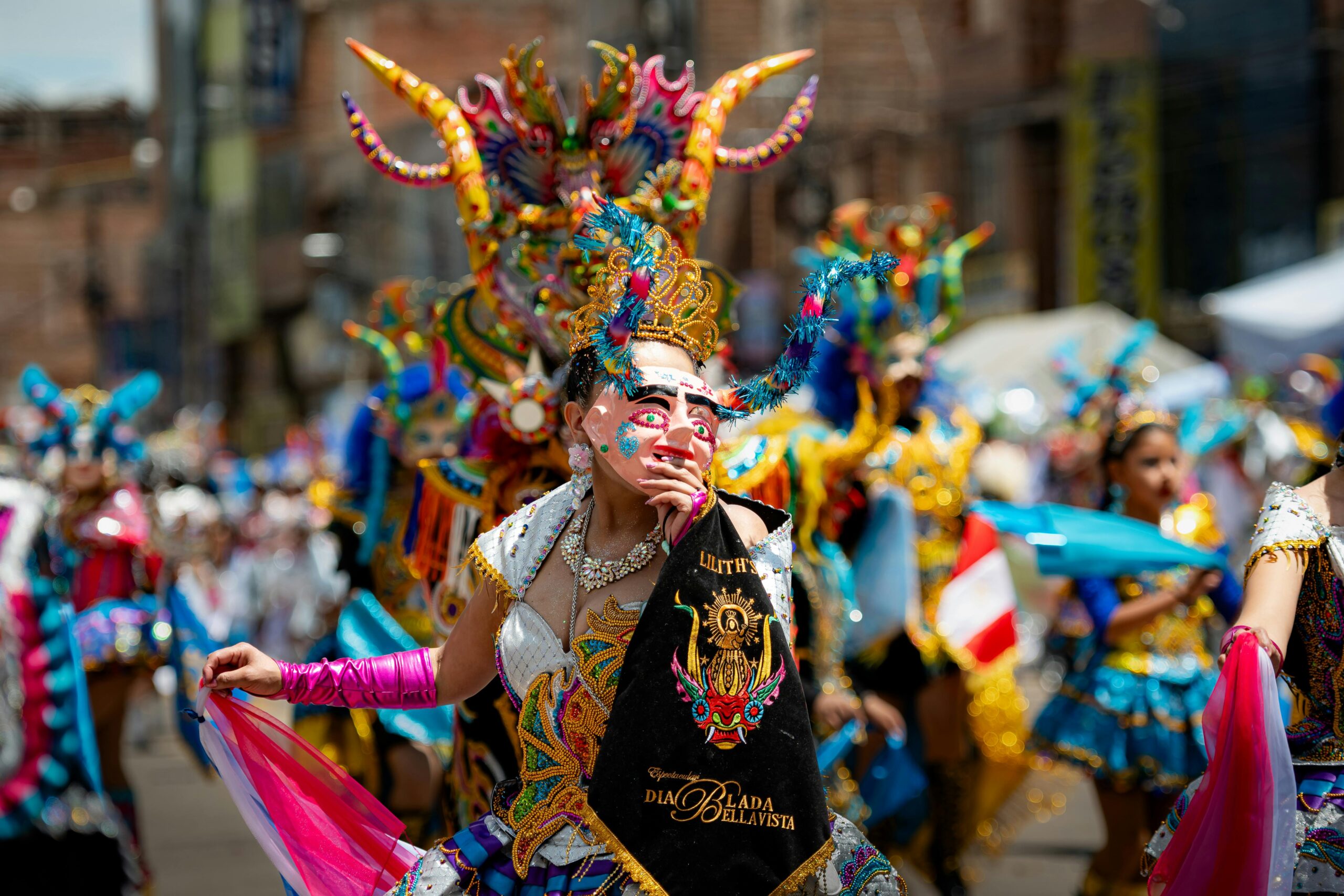
  • Festivals: Celebrations like Día de los Muertos, Holi, or Easter bring communities together to honor heritage, mark seasonal changes, or signify important times of year, and often blend art, music, food, and customs into shared cultural experiences.

Why is Folklore Relevant Today?

Folklore isn’t stuck in the past—it’s alive and thriving. Because everyday people are the ones who choose to carry traditions forward, it is constantly evolving, as we adapt our lore to meet our needs, fit new technologies, or stay relevant in the face of social changes. For example, internet memes, viral challenges, and even conspiracy theories are modern expressions of folklore, reflecting the same creative, expressive instincts that have been a core part of humanity throughout time.

Hello World! Welcome to Our Folklore Blog!

Hello World! Welcome to Our Folklore Blog!

Welcome to our folklore blog, where ancient wisdom meets modern curiosity! Folklore is more than just tales of the past—it’s a living, breathing tradition that evolves with each generation, shaping our collective understanding of who we are and where we come from.

Our goal here is simple: to explore the many forms folklore takes, from age-old myths and fairy tales to arts, crafts, dance, music, even memes. We’ll dive into why traditions have endured, how crafts enact cultural identities, and the new traditions and cultural communications being created today.

Why Folklore Matters

Folklore connects us. It offers a window into the values, fears, hopes, and dreams of people across different cultures and eras. In a digital world that’s more interconnected than ever, understanding the stories we share—and those that set us apart—helps foster empathy and appreciation for our diversity.

Whether you’re a scholar, creator, storyteller, or simply a fan of the fantastical, this blog is here to spark your curiosity and creativity. We’ll share articles, interviews, reviews, and creative projects that celebrate folklore in all its forms.

What to Expect

Stay tuned for updates from the world of folklore, highlights of fascinating traditions from around the globe, and a curated selection of the media that has brought folklore to life, current events, and much more. Upcoming posts will explore:

  • Hidden gems in folklore-themed books, TV shows, and films.
  • Traditions and myths that continue to inspire art and storytelling.
  • How folklore evolves in the digital age.

And hopefully much more! Thank you for joining us on this journey into the meaningful, mythical, and memorable!